It was a slow day in the library. Since the passengers had tablets which pulled their digital selections directly from the archives, they were mostly slow days. The Librarian sighed. With all the numinous entertainments available on the ship, who would want to come down here for a moldy old paperback, anyway? She looked out at the stars. There was at least one important duty ahead of her. Someday, she would appoint a successor. If the ship’s engines held, they would be the one to share the lost knowledge of Earth when the generation ship landed. Until then, she waited.
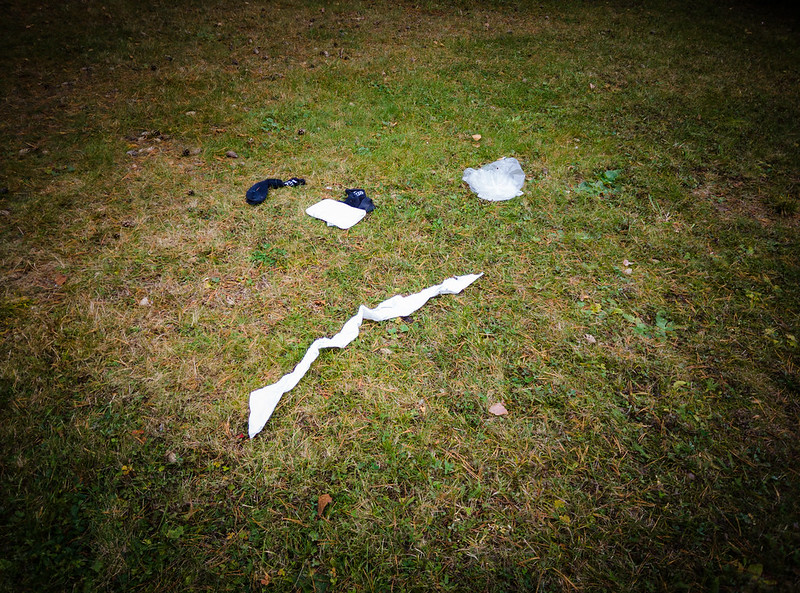
When the objects appeared overnight in the square, the townsfolk didn’t know what to make of them There was fine paper and cloth, but they were ripped and stained. There were odd cups of soft metal and cores of mysterious fruit that looked like it had been eaten and discarded. The priest advised they bury the lot, and be not tempted by the strange objects. One farmer surreptitiously took a seed, intending to bury it himself and see what grew. Centuries later, the inventor tested his time machine on trash, heedless of the effect a malfunction might have on history.
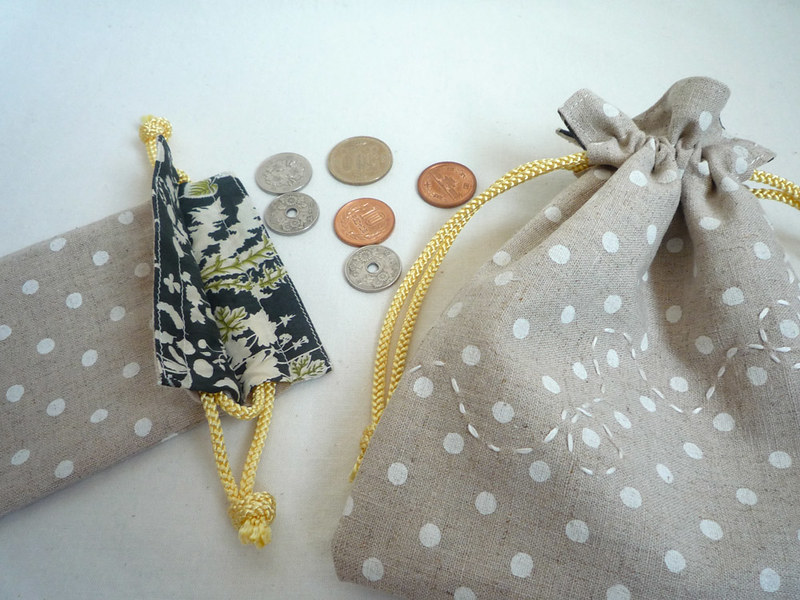
The habitation quarters on the Martian Colony were barely livable. It wasn’t something that the Company had invested in outside of the Executive Suites. We’d all signed the contract. And it wasn’t like we could catch a flight back to Earth. It took me months to scrounge enough material. Waste cloth and polymer binding, mostly. The Company tracked everything with ruthless efficiency. Management claimed it was because the colony’s survival was still tenuous. We shared silent looks that spoke the truth: They were bastards. Once I patched together the quilt, my sleeping quarters finally started to feel something like home.
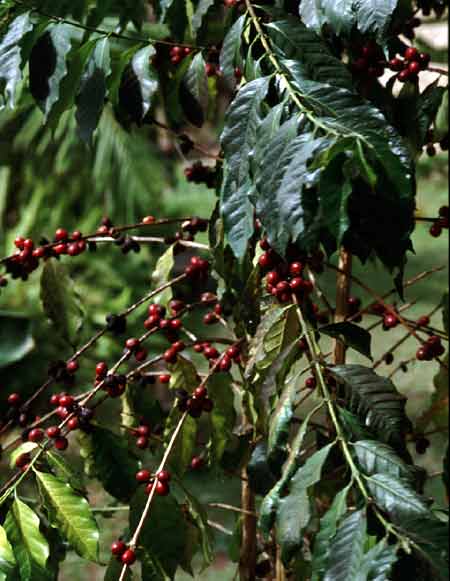
The legends said that monks first learned to brew coffee from a goat. Suspicious, a powerful wizard scried back in time to learn the truth of the matter. Eventually he found the event and was surprised to find the legends were accurate. He saw the goat eat the fallen fruit and the learned men observing its reaction. Then he saw the creature slink off and transform into a dragon. The Wizard decided to abandon his research. If the dragons wanted humanity to drink coffee, they probably had a good reason, and only a fool meddled with dragons and their politics.
As dawn spread over the campsite, the paladin practiced his devotions. His swinging blade coruscated in the light of the rising sun. The thief watched from the shadows. He appreciated the efficiency of combining sword practice with prayer, although he found the routine somewhat flashy for his taste. “Is there something I can help you with?” The paladin asked. He appreciated his companion’s skills, but found the little man odious company. “Oh, don’t mind me,” the thief replied. The paladin went back to ignoring him. If there was one thing the thief could always steal from him, it was time.
He awoke in the middle of the night and crept downstairs to find a pair of elves making shoes in his workshop, which was odd because he wasn’t a cobbler. He turned on the light and they froze, tools raised in their delicate fingers. Nobody said anything for a long time. Finally he said, “Just clean up after yourselves and make sure the door’s locked when you leave.” He turned out the light. The elves resumed their work. He never found out why the elves were there but they did leave him a beautiful pair of loafers.
The grisly crime scene was the worst I’d seen in twenty years of work as a forensic investigator. A dozen fae lay restrained and exsanguinated. Golden blood lay in shiny pools and dried patches all over the room. The Court would have a fit when they found out. Faerie blood has potent magical properties. We were likely dealing with a wizard trying to take a shortcut or a vampire looking to get high. It would be a difficult case. But as I surveyed the crime scene I couldn’t help but think: They’re never going to clean up all this glitter.
Loot the bodies. It was my mentor’s first rule, and I hated him for it at first. The old man explained that we weren’t soldiers, and we weren’t heroes. We were adventurers. We solved problems that the other guilds wouldn’t. Sometimes, the only path forward was with the key in a dead foreman’s pocket, or the only clue was the scrap of paper clutched in a dead assassin’s hand. And the rings and gold pouches didn’t hurt either. It got easier every time. But I was unprepared when the corpse’s hand grasped my wrist and dead eyes reopened glaring red.
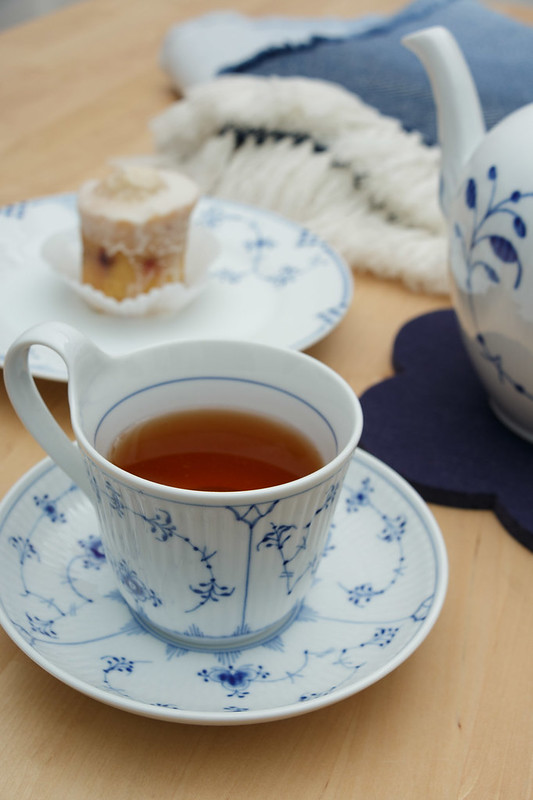
The teacup was delicate and beautiful. It was a luminous white decorated with tiny pale blue flowers. I held it awkwardly, terrified that it would shatter in my hand. I needn’t have worried. “What a beautiful tea set,” I said, holding out my cup for the hostess to pour from the matching pot. “Thank you,” she said. “I made it myself. It’s a little hobby of mine.” She poured gracefully, not spilling a drop. “That’s amazing! What material do you use?” “It’s bone china,” the necromancer said as the cup handle flexed and began to wrap itself around my wrist.
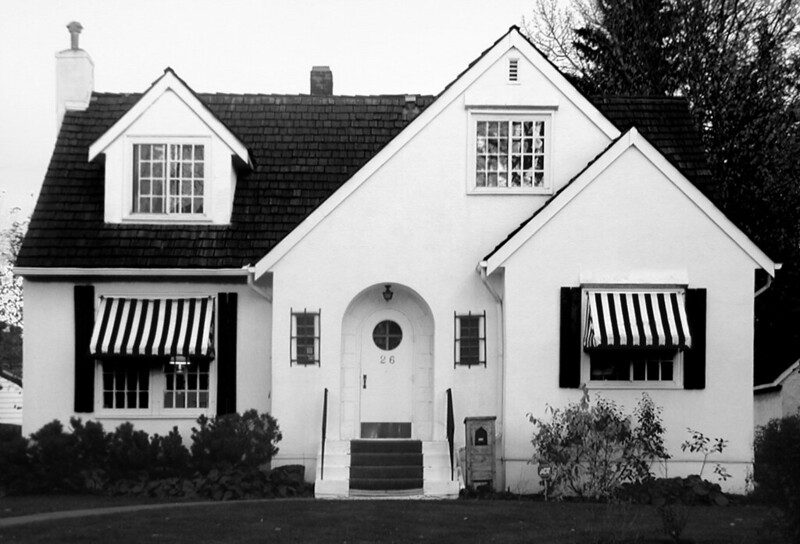
It was not the sort of house people whispered about or looked away from when they walked by. It was a beautiful cape cod, with spotless white siding and an impeccably manicured lawn. If you asked the neighbors, they wouldn’t be able say who lived there. But lights went on and off inside at the correct time. Smoke came from the chimney, and the garden changed with the seasons. Sometimes, someone would ring the doorbell, and the front door would open on a dark and silent foyer. If they stepped inside, the house would snap the door shut behind them.





 Hugh J. O'Donnell