October 22, 2026
hughjodonnell
Everyday Drabbles, Free Fiction, Uncategorized
Drabble, Everyday Drabbles, Fiction, Flash Fiction, Free Fiction
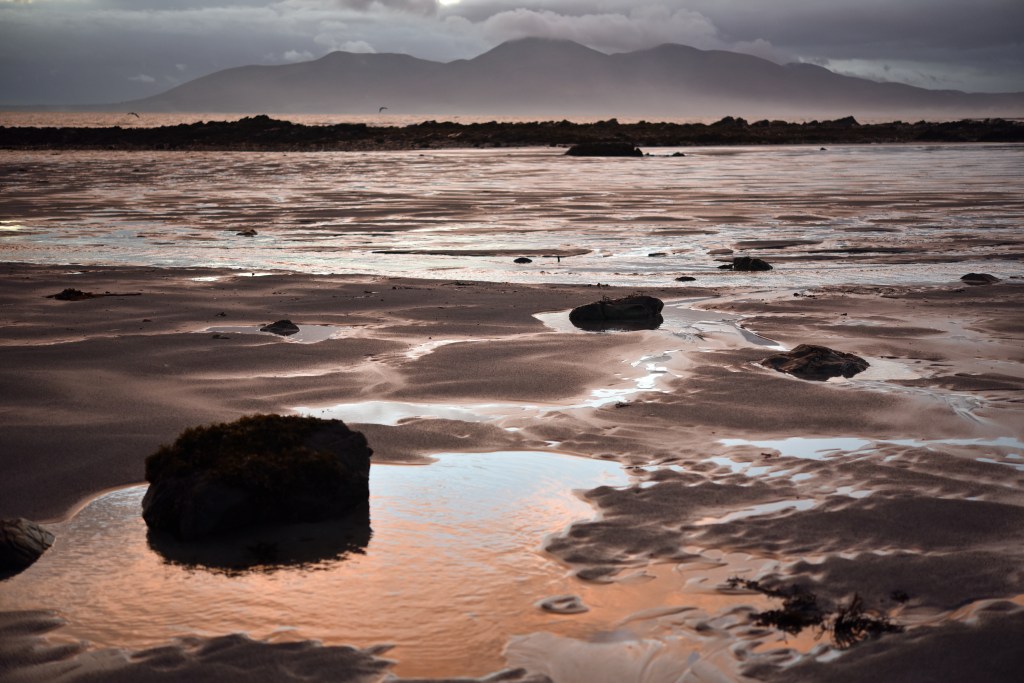
He stood on the rock-like shore and watched the waves. This was what he imagined Earth was like, although with three extra moons, the tides were less predictable on their new planet.
The ship traveled for a century to reach their new world and everyone was eager to get to work setting up the new colony. Everyone but him. Traveling was all he’d ever known, and now that they had arrived, he was restless.
So he quietly fabricated a boat and set out to do the job that nobody else wanted. He would chart the seas of their new home.
“Rossglass shore” by conall.. is licensed under CC BY 2.0.
Everyday Drabbles © 2019-2026 Hugh J. O’Donnell is licensed under CC BY-NC-SA 4.0
Thanks for reading!
October 20, 2026
hughjodonnell
Everyday Drabbles, Free Fiction, Writing
Drabble, Everyday Drabbles, Fiction, Flash Fiction, Free Fiction
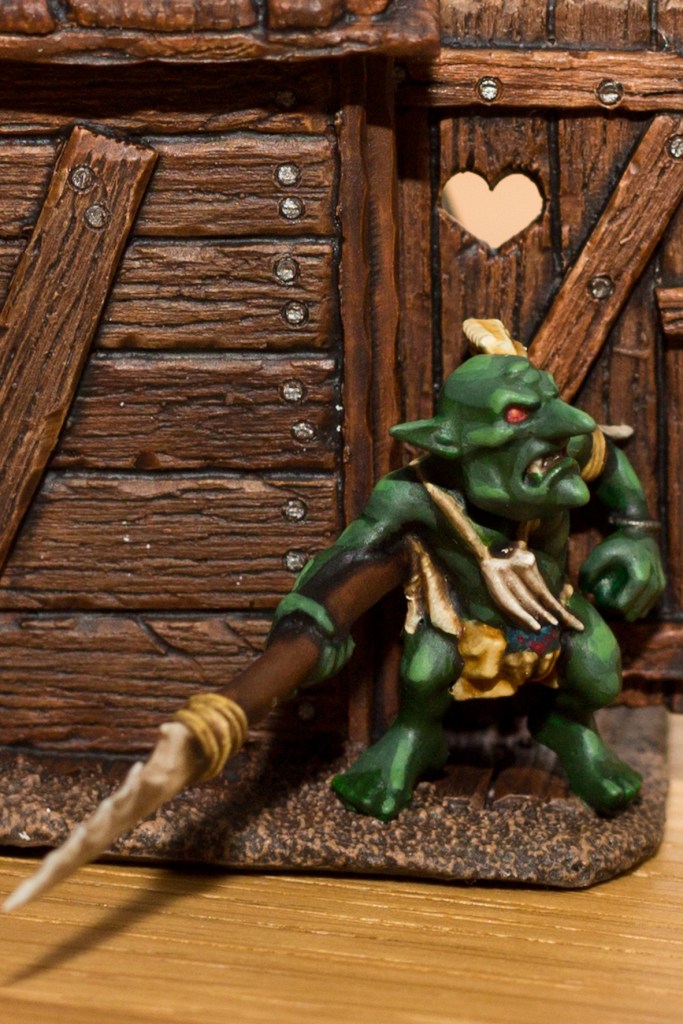
Wart and the other goblins took the field, a riot of individually scrounged armor and weapons.
The goblins didn’t wear uniforms. They didn’t have the elves’ tactical acumen, the dwarves’ smithing, or even the human’s martial discipline.
But they had experience. Under the mountains, each goblin was a country unto themselves, which made each soldier a veteran of a thousand daily wars, only momentarily paused. They were commanded through fear and hatred by their strongest, riding a snarling wolf.
But command was given to the strong, and battles were full of danger. On the front line, Wart made his plans.
“Mean Goblin” by Tobias Bomm is licensed under CC BY 2.0.
Everyday Drabbles © 2019-2026 Hugh J. O’Donnell is licensed under CC BY-NC-SA 4.0
Thanks for reading!
October 15, 2026
hughjodonnell
Everyday Drabbles, Free Fiction, Uncategorized
Drabble, Everyday Drabbles, Fiction, Flash Fiction, Free Fiction
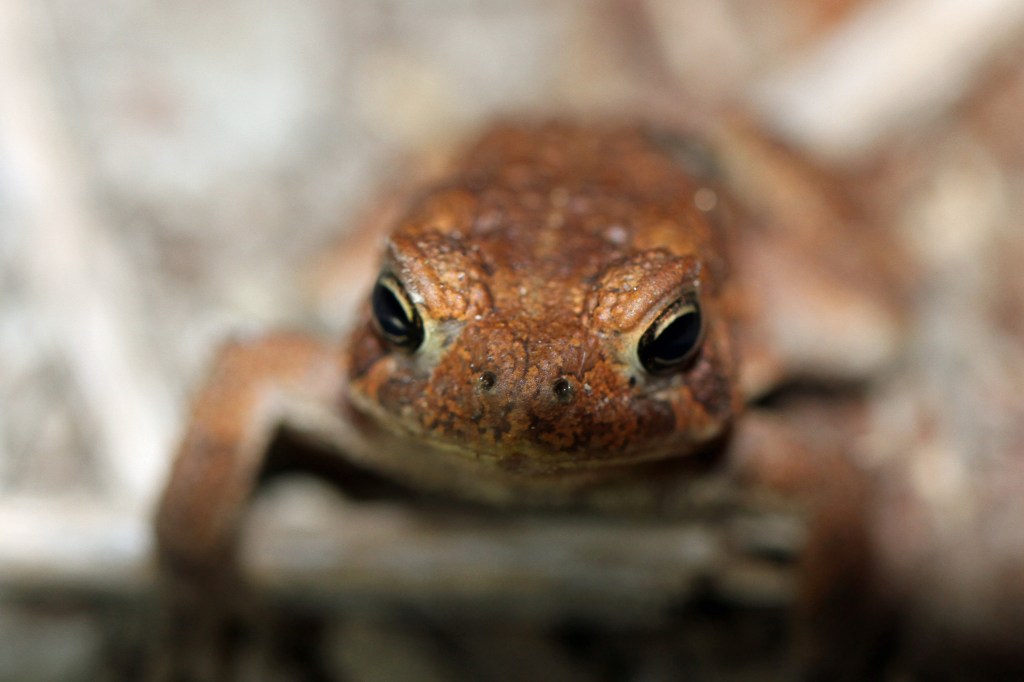
The toad sat in the grass and watched the road. People, animals, and cars rushed to and fro. He couldn’t match them for size or speed, but he could hop.
The toad hopped into the busy road, weaving in and out of traffic, under cars and over ditches until he landed in the pond on the other side.
The witch that cursed him said that a human consciousness wouldn’t survive in a toad’s brain, but he would get his revenge. He just had to find her.
The toad looked across the road. Maybe she was beyond that patch of grass.
“American Toad” by Greg Schechter is licensed under CC BY 2.0.
Everyday Drabbles © 2019-2026 Hugh J. O’Donnell is licensed under CC BY-NC-SA 4.0
Thanks for reading!
October 10, 2026
hughjodonnell
Everyday Drabbles, Free Fiction, Uncategorized
Drabble, Everyday Drabbles, Fiction, Flash Fiction, Free Fiction
The region of space was called “The Cauldron.” The background radiation was dangerously high, so normal, law-abiding people steered clear. That made it the perfect hiding place for outlaws, refugees, and other castoffs. As long as they didn’t mind getting a little cooked. And her trail led right into it.
He ignored the warning beacons and his own ship’s alarms. The shielding would handle it.
He turned around when the laser blasts hit his tail.
“I knew you’d never give up chasing me. But it’s time to end this.”
“But darling…”
“No means no,” she said, and released another volley.
“Nebula” by ♡Blackangelツ is licensed under CC BY 2.0.
Everyday Drabbles © 2019-2026 Hugh J. O’Donnell is licensed under CC BY-NC-SA 4.0
Thanks for reading!
October 8, 2026
hughjodonnell
Everyday Drabbles, Free Fiction, Uncategorized
Drabble, Everyday Drabbles, Fiction, Flash Fiction, Free Fiction
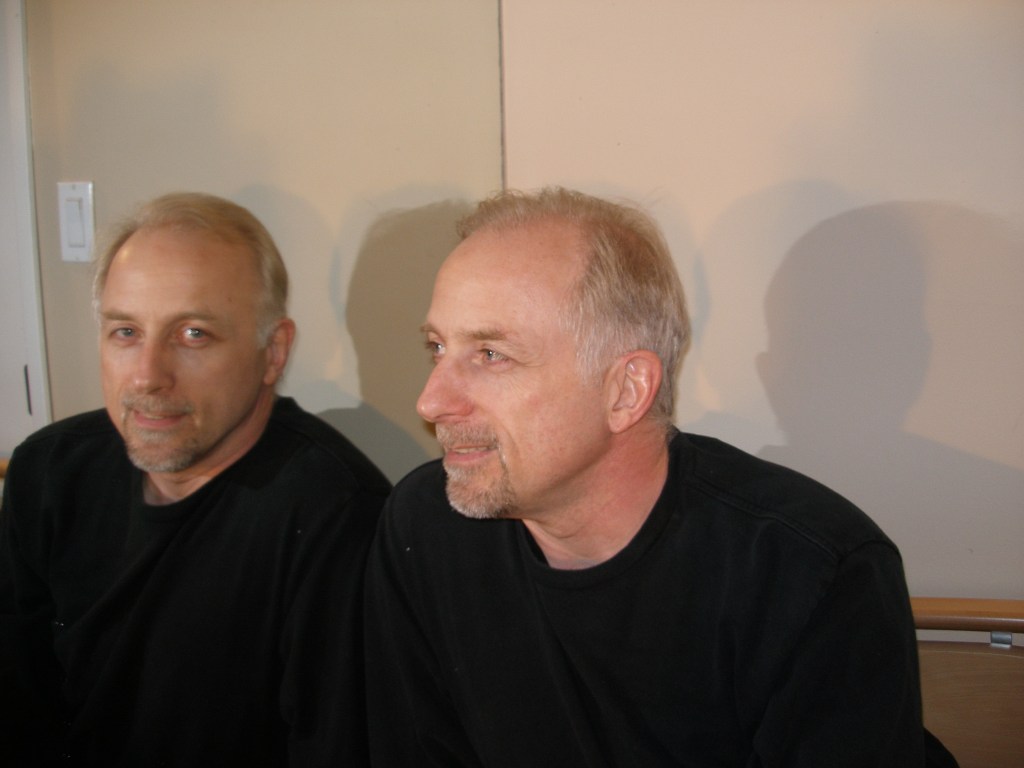
They say that everyone has a double: an exact duplicate of themselves somewhere in the world roaming with nefarious intent.
Of course I don’t believe such ridiculous superstitions, but for the last week I’ve been getting texts from friends and colleagues spotting me across town getting into trouble and causing havoc, then disappearing.
I supposedly caused a flood of beer in a grocery store, a massive traffic jam, and a stampede at the zoo. Fortunately, I had a solid alibi, but I was still worried.
I called up my twin brother. “Have you been in town and not called me?”
“Thom and his evil twin” by quinet is licensed under CC BY 2.0.
Everyday Drabbles © 2019-2026 Hugh J. O’Donnell is licensed under CC BY-NC-SA 4.0
Thanks for reading!
September 29, 2026
hughjodonnell
Everyday Drabbles, Free Fiction, Uncategorized
Drabble, Everyday Drabbles, Fiction, Flash Fiction, Free Fiction
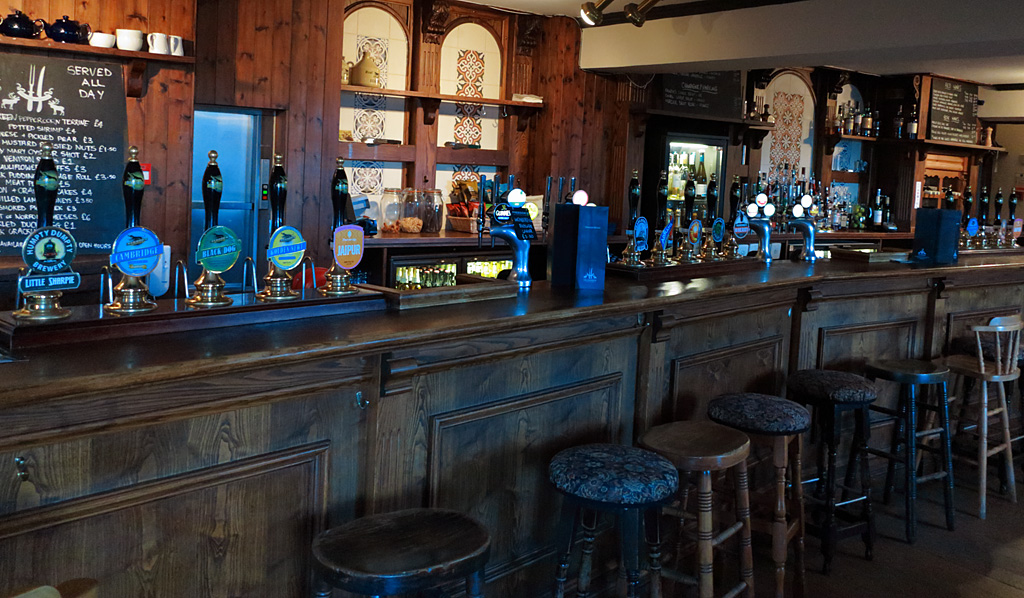
The bar was considered neutral ground by every assassin and hired killer in the city. It was a place they could meet when required, or at least relax and stop looking over their shoulders.
The little family-run tavern was not included in any business. They didn’t pay protection money or bribes to anybody. They were robbed once, but the money was found on the doorstep the next morning.
The owner had no idea. He just thought his regulars were a bit odd.
And as long as he still made the best wings in the city, things would stay that way.
“Bar at the Reindeer pub Norwich” by Roger Blackwell is licensed under CC BY 2.0.
Everyday Drabbles © 2019-2026 Hugh J. O’Donnell is licensed under CC BY-NC-SA 4.0
Thanks for reading!
September 26, 2026
hughjodonnell
Everyday Drabbles, Free Fiction, Uncategorized
Drabble, Everyday Drabbles, Fiction, Flash Fiction, Free Fiction
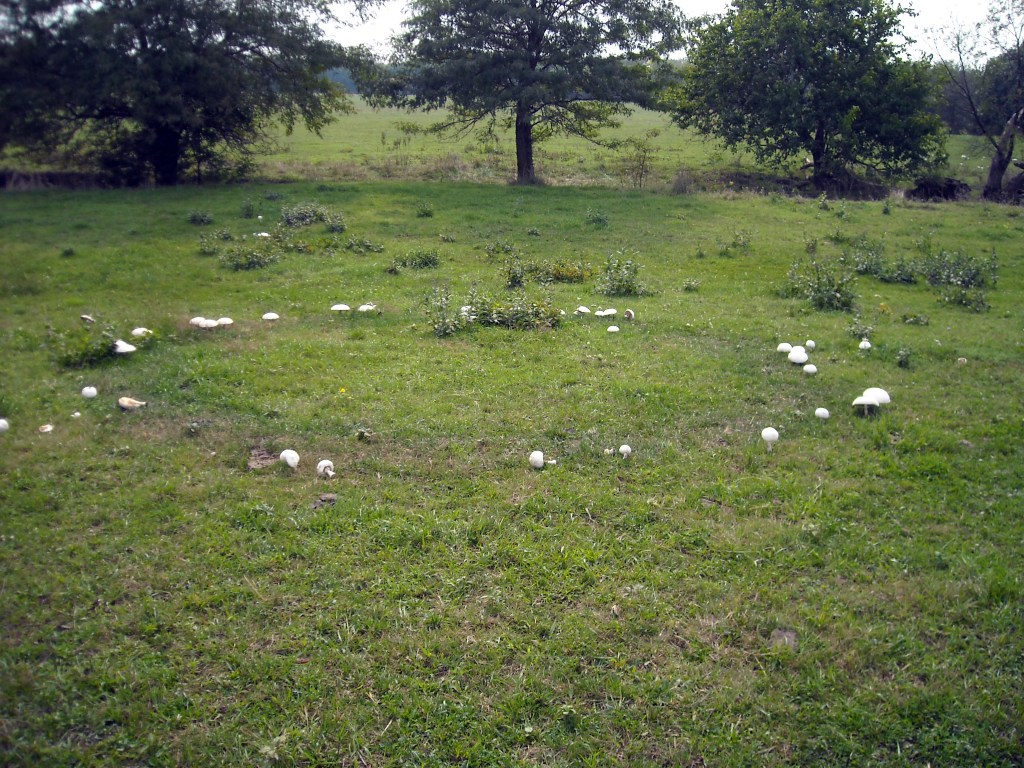
The old man opened the door and found a pair of odd-looking little women on his doorstep.
“Arnold Smith?” One asked, consulting a clipboard.
“Yes.”
“Son of Laverne Smith?”
“She passed twenty years ago, but yes. What’s this about?”
“Eighty years ago, for services rendered, your mother promised her firstborn son to Faerie. We’ve come to collect.”
“Little late, aren’t you?”
The two faeries shared a glance. “The paperwork got lost.”
One of them held out a hand. Arnold paused. But what did he have to lose? As he took it, he found that his hip had finally stopped hurting.
“Faerie Ring” by Marion Doss is licensed under CC BY-SA 2.0.
Everyday Drabbles © 2019-2026 Hugh J. O’Donnell is licensed under CC BY-NC-SA 4.0
Thanks for reading!
September 24, 2026
hughjodonnell
Everyday Drabbles, Free Fiction, Uncategorized
Drabble, Everyday Drabbles, Fiction, Flash Fiction, Free Fiction
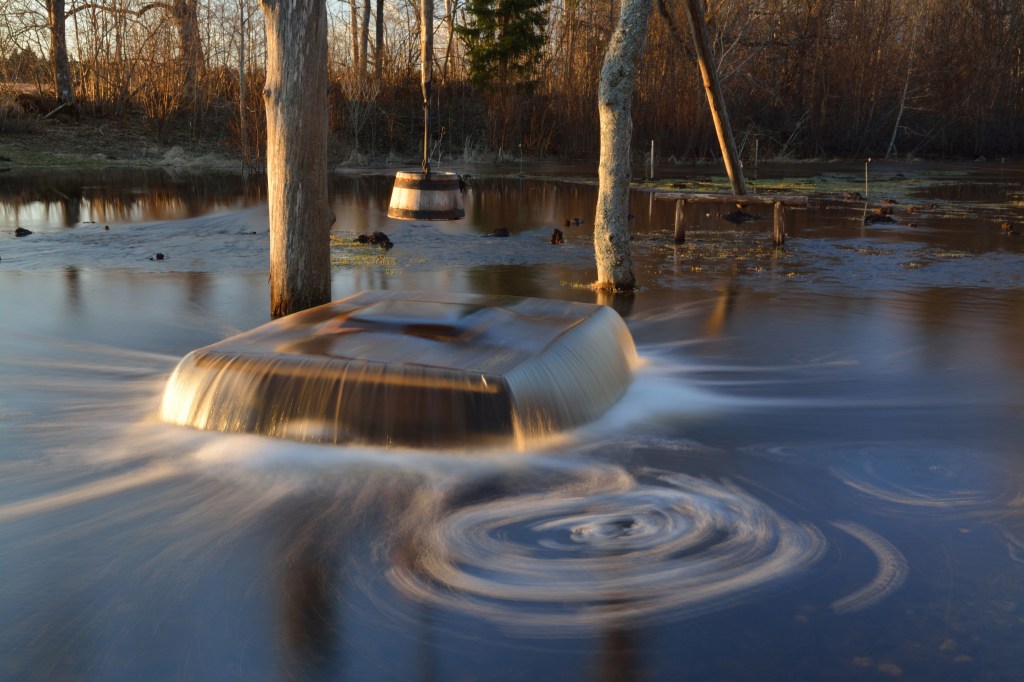
When the town discovered what she was, they chased out the witch, and she was forced to hide in the sewers.
Rather, she thought bitterly, they decided she was too inconvenient to pretend she was just some old woman with herb lore anymore. The Good People of a town couldn’t suffer a witch by daylight, even if they begged her for help by moonlight.
Next time, she would be less free with her hexes. But for now, she would have her revenge.
Hiding among the rats and the refuse, she began casting the spells that would mark the village’s doom.
“File:Tuhala Witches Well1-21-03-2013.jpg” by Ivar Leidus is licensed under CC BY-SA 3.0.
Everyday Drabbles © 2019-2026 Hugh J. O’Donnell is licensed under CC BY-NC-SA 4.0
Thanks for reading!
September 22, 2026
hughjodonnell
Everyday Drabbles, Free Fiction, Uncategorized
Drabble, Everyday Drabbles, Fiction, Flash Fiction, Free Fiction
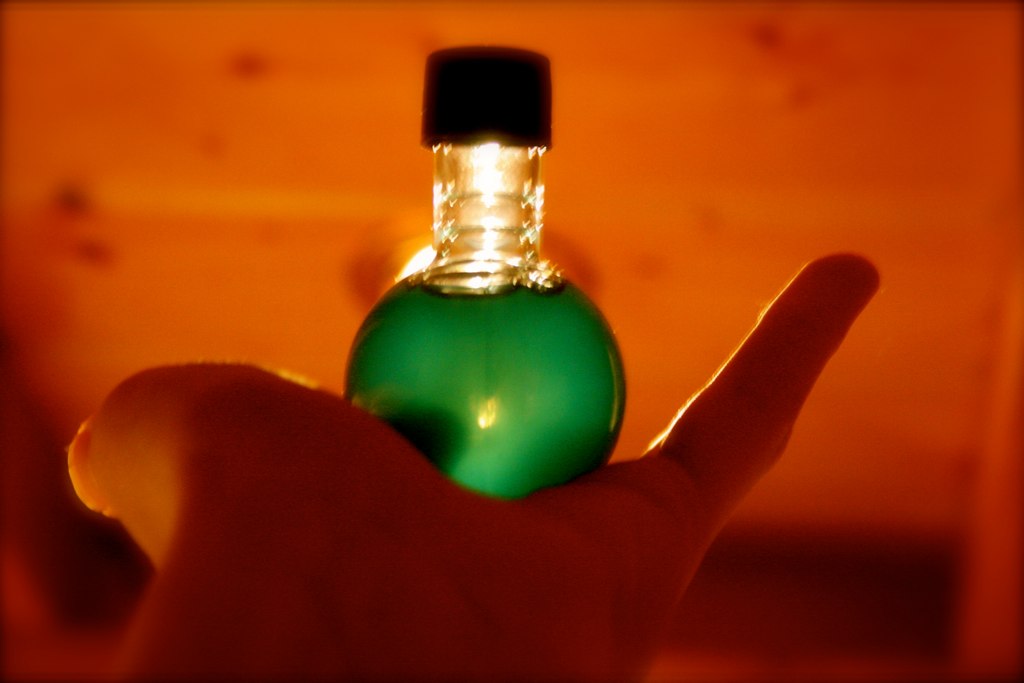
The young dwarf, barely into his beard, came into the tavern with a bottle around his neck. In the dim light it almost glowed a translucent blue. The bartender had seen the fashion on other young adults around the village.
“What, can’t afford even zircon?” The bartender asked.
The young dwarf didn’t take the bait. “This is better than jewelry. It’s a badge of honor.”
“Whatever you say, kid.” As bartender handed the kid his beer, a watery eye blinked at him from behind the glass.
“You’ve got a live slime in there?”
“These days you’ve got to have drip.”
“Precious potion” by MojoBandito is licensed under CC BY 2.0.
Everyday Drabbles © 2019-2026 Hugh J. O’Donnell is licensed under CC BY-NC-SA 4.0
Thanks for reading!
September 17, 2026
hughjodonnell
Everyday Drabbles, Free Fiction, Uncategorized
Drabble, Everyday Drabbles, Fiction, Flash Fiction, Free Fiction
The sisters were the rising stars of the Magical World. They could be seen in the hottest circles, performing the latest spells.
Soon, they would be teleported out to the Grand University, to perform the highest, most esoteric rituals.
But the younger sister was enamored with hedge magic, and would sneak out to dance with witches and drink with alchemists. Her older sister scolded her for developing a bad reputation, but she wanted to do something real.
When the Dark Lord’s armies came, her older sister and the great wizards fled behind their hidden barriers, but she stayed and fought.
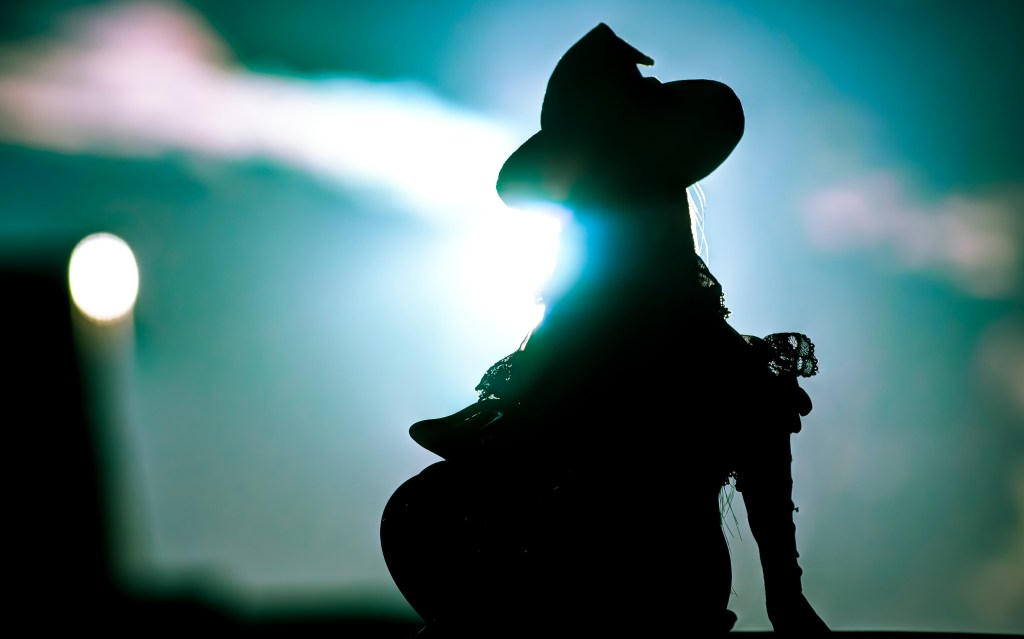
“Little Witch” by Jose M Martin Jimenez is licensed under CC BY-SA 2.0.
Everyday Drabbles © 2019-2026 Hugh J. O’Donnell is licensed under CC BY-NC-SA 4.0
Thanks for reading!
Older Entries