December 13, 2024
hughjodonnell
Everyday Drabbles, Free Fiction, Uncategorized
Drabble, Everyday Drabbles, Fiction, Flash Fiction, Free Fiction
It was the perfect winter night. The weather reports said a big snowfall was coming. It was time to get cozy.
He made a mug of cocoa, wrapped himself in a blanket, and ensconced himself by the window to watch the snow.
There was a roaring fire in the grate and he could feel the icy weather outside through the glass. He sipped his cocoa safe and cozy in the knowledge that he didn’t need to be anywhere.
He felt a touch on his leg and heard his dog wine, leash in his mouth.
Damn. He knew he forgot something.
“Snowfall” by kryshen is licensed under CC BY 2.0.
My very short story collection, The Mountain’s Shadow is available now from Amazon and Smashwords!
Everyday Drabbles © 2024 by Hugh J. O’Donnell is licensed under CC BY-NC-SA 4.0
December 10, 2024
hughjodonnell
Everyday Drabbles, Free Fiction, Uncategorized
Drabble, Everyday Drabbles, Fiction, Flash Fiction, Free Fiction
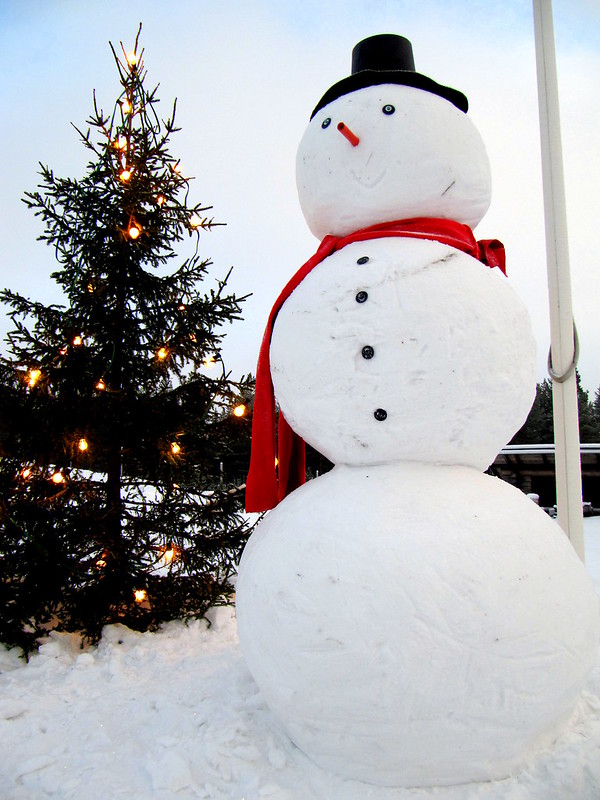
There must’ve been some magic in that old top hat we found; Dark Magic. It briefly brought a snowman to life. It did us small favors and let us pull trinkets from it. That was all kids’ stuff.
As we grew up, the Hat still gave us what we wanted. But it asked a higher price every time it did.
I tried to get away. I disappeared into the woods, got off the grid, and raised wards. But I can’t escape forever.
It’s Christmas Day, and I hear pounding outside the cabin door.
Thumpity thump-thump! Thumpity thump-thump!
It’s getting closer.
“snowman” by RukaKuusamo.com is licensed under CC BY 2.0.
My very short story collection, The Mountain’s Shadow is available now from Amazon and Smashwords!
Everyday Drabbles © 2024 by Hugh J. O’Donnell is licensed under CC BY-NC-SA 4.0
December 9, 2024
hughjodonnell
Everyday Drabbles, Free Fiction, Uncategorized
Drabble, Everyday Drabbles, Fiction, Flash Fiction, Free Fiction
He stood in the falling snow and stared into the home through the window. The family inside was celebrating Christmas.
There was a roaring fire in their fireplace, and the stockings hung expectantly above it. There were more presents waiting under the tree as the family sat down to a feast.
He desperately wanted to be invited in, but knew it was impossible.
The house was filled with decorative holy symbols. Sprigs of holly and mistletoe were everywhere, and all that food was loaded with garlic.
He trudged back into the night. It sucked to be a vampire at Christmas.
“Have a holly jolly christmas” by Lauren Manning is licensed under CC BY 2.0.
My very short story collection, The Mountain’s Shadow is available now from Amazon and Smashwords!
Everyday Drabbles © 2024 by Hugh J. O’Donnell is licensed under CC BY-NC-SA 4.0
December 8, 2024
hughjodonnell
Everyday Drabbles, Free Fiction, Uncategorized
Drabble, Everyday Drabbles, Fiction, Flash Fiction, Free Fiction
The family was incredibly competitive, and they were at their worst during the holidays. They squabbled over everything from who bought the best gifts to who made the best dish for Christmas Dinner.
She’d been working on her figgy pudding recipe for months. She soaked the fruit in the fanciest brandy she could find, and bathed the dessert in more liquor leading up to the feast. She crowned it with holly and gold leaf.
Her family was stunned as she brought out the dish, and with an air of satisfaction lit the match.
The resulting fireball was visible for miles.
“flaming christmas pudding” by Steve A Johnson is licensed under CC BY 2.0.
My very short story collection, The Mountain’s Shadow is available now from Amazon and Smashwords!
Everyday Drabbles © 2024 by Hugh J. O’Donnell is licensed under CC BY-NC-SA 4.0
December 7, 2024
hughjodonnell
Everyday Drabbles, Free Fiction, Uncategorized
Drabble, Everyday Drabbles, Fiction, Flash Fiction, Free Fiction
It was the trickiest chimney Saint Nick ever encountered. Sometimes people left a fire going, and he’d dealt with poorly positioned poker stands, but he’d never come across a trapped fireplace before.
The maze of flues was interesting but easily solved. The drone was unexpected, but Santa has power of all toys. He was overconfident when he reached the net in the grate, but he was able to extricate himself.
The list was the list, and Santa Claus didn’t play favorites, but he felt just a bit of satisfaction as he placed coal and socks beneath the supervillain’s Christmas tree.
“Fireplace” by kalleboo is licensed under CC BY 2.0.
My very short story collection, The Mountain’s Shadow is available now from Amazon and Smashwords!
Everyday Drabbles © 2024 by Hugh J. O’Donnell is licensed under CC BY-NC-SA 4.0
December 6, 2024
hughjodonnell
Everyday Drabbles, Free Fiction, Uncategorized
Drabble, Everyday Drabbles, Fiction, Flash Fiction, Free Fiction
The cocoa recipe was surprisingly complex, calling for a whole bar of deluxe chocolate, whipped cream, and a even homemade marshmallows. She followed it to the letter and had the grocery bill and the sink full of dirty dishes to prove it.
It was a luxurious, decadent, ultimate cocoa that she had made herself. She poured the concoction into her favorite mug and took photographs for her social media, feeling pride in a job well done.
She took a sip.
The drink was delicious, but it was missing something. The hot chocolate of her childhood was still an instant powder.
“Hot Chocolate Love” by Theo Crazzolara is licensed under CC BY 2.0.
My very short story collection, The Mountain’s Shadow is available now from Amazon and Smashwords!
Everyday Drabbles © 2024 by Hugh J. O’Donnell is licensed under CC BY-NC-SA 4.0
December 4, 2024
hughjodonnell
Everyday Drabbles, Free Fiction, Uncategorized
Drabble, Everyday Drabbles, Fiction, Flash Fiction, Free Fiction, Holiday
The new colony was far from Earth, and after their long journeys, most of the colonists left traditions behind.
But as the colony prepared for its first winter, she reminded her children to be good, or else Santa Claus wouldn’t come.
Some colonists smiled nostalgically as she told her children about flying reindeer and elfin toymakers. Others admonished her for such childish fantasy, but never within the children’s earshot.
She truly believed in the magic of Christmas, and reasoned that every planet has a North Pole.
Even she was surprised when some extra presents appeared under the tree Christmas morning.
“snapshotsofthepast.com Santa 1 (97).JPG” by snapshotsofthepast.com is licensed under CC BY-SA 2.0.
My very short story collection, The Mountain’s Shadow is available now from Amazon and Smashwords!
Everyday Drabbles © 2024 by Hugh J. O’Donnell is licensed under CC BY-NC-SA 4.0
December 1, 2024
hughjodonnell
Everyday Drabbles, Free Fiction, Uncategorized
Drabble, Everyday Drabbles, Fiction, Flash Fiction, Free Fiction
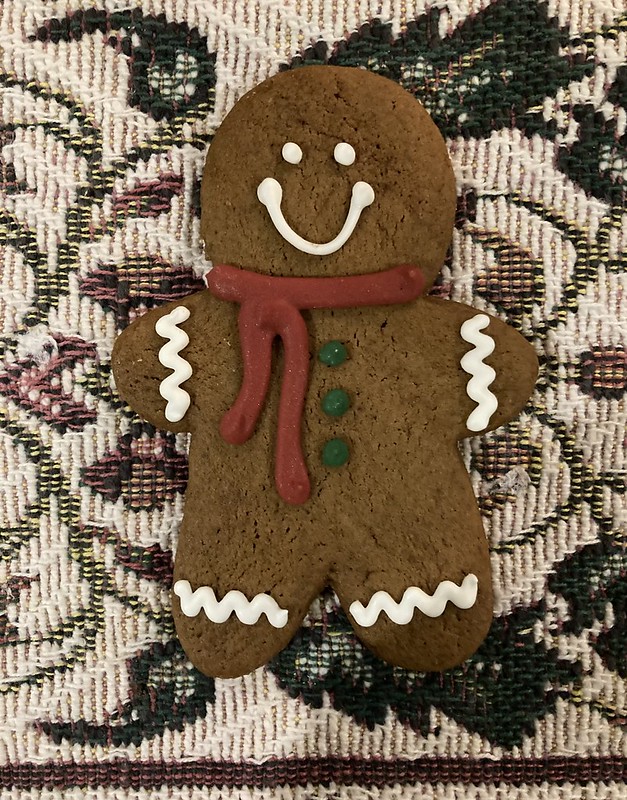
The Gingerbread Man was getting older. He didn’t want to admit it, but he could feel it in his crumb.
He wasn’t as fast as he used to be. His frosting wasn’t as soft as it once was, and he’d lost a gumdrop button somewhere.
He pushed himself, trying to make his body believe he was only as stale as he felt. He heard a sharp snap, and felt his leg crumble underneath him.
The baker was able to save the leg with quick application of royal icing, but the Gingerbread Man would have to walk with a candy cane.
“Homemade gingerbread man” by Ross Dunn is licensed under CC BY-SA 2.0.
My very short story collection, The Mountain’s Shadow is available now from Amazon and Smashwords!
Everyday Drabbles © 2024 by Hugh J. O’Donnell is licensed under CC BY-NC-SA 4.0
November 30, 2024
hughjodonnell
Everyday Drabbles, Free Fiction, Uncategorized
Drabble, Everyday Drabbles, Fiction, Flash Fiction, Free Fiction
The maiden stood awkwardly in the doorway, as though she were waiting for someone. He hoped that it wasn’t him, although she was very pretty.
He was busy enough with his work, and the holidays always made everything so much more hectic. He just didn’t have time for anything else, particularly not romance.
But he was no coward. She smiled as he approached, tucking a strand of blonde hair behind an ear.
“I’m standing under the mistletoe,” she said, pointing up.
“Well, that’s me stuck then,” he said.
As they kissed, Baldr knew she would be the death of him.
“mistletoe” by DafneCholet is licensed under CC BY 2.0.
My very short story collection, The Mountain’s Shadow is available now from Amazon and Smashwords!
Everyday Drabbles © 2024 by Hugh J. O’Donnell is licensed under CC BY-NC-SA 4.0
November 29, 2024
hughjodonnell
Everyday Drabbles, Free Fiction, Uncategorized
Drabble, Everyday Drabbles, Fiction, Flash Fiction, Free Fiction
The weather reports reported the upcoming first snow of the year with increasing urgency. They began a drumbeat of weather warnings and weather-related traffic advisories. But as the air temperature dropped, the skies stayed stubbornly clear.
They created video packages about winterizing your home and how to lean into a skid on black ice. The longer the snow held off, the worse the reported effects of the predicted blizzard would be.
They were right about the road safety in the end, though.
Three broadcast trucks crashed into each other trying to get footage of the first snowflake of the year.
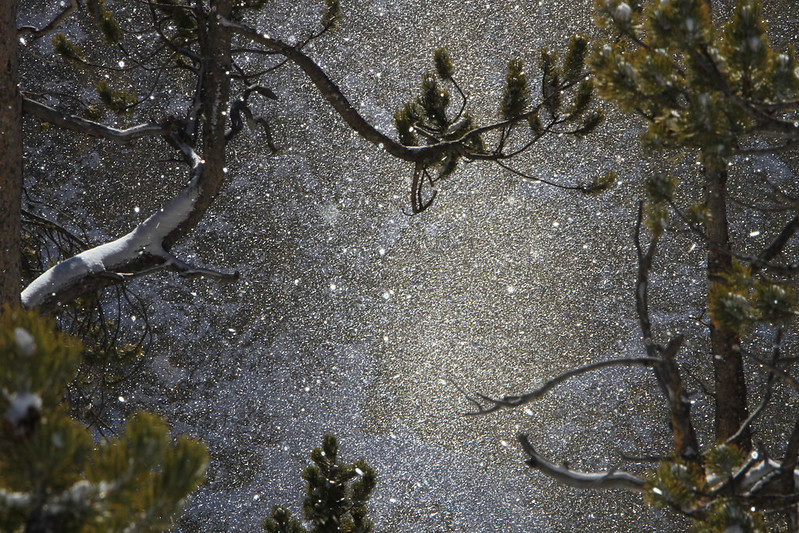
“Snowfall at Canyon” by YellowstoneNPS is marked with Public Domain Mark 1.0.
My very short story collection, The Mountain’s Shadow is available now from Amazon and Smashwords!
Everyday Drabbles © 2024 by Hugh J. O’Donnell is licensed under CC BY-NC-SA 4.0
Older Entries
Newer Entries




 Hugh J. O'Donnell